
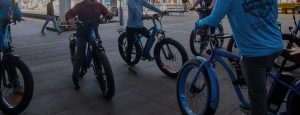
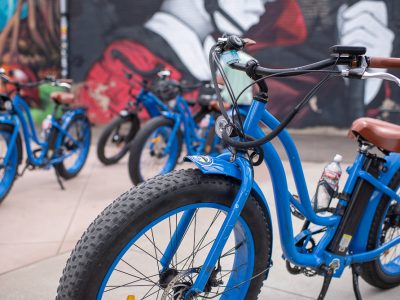
If you’ve ever joined one of our Colorado eBike Tours adventures in Denver, Boulder, or the mountains, you may have noticed something that surprises first-time riders: sometimes the brakes squeak.
For some people, a squeaky brake sounds like a problem. For experienced cyclists, however, it’s often just a normal part of riding a high-performance bicycle—especially in Colorado’s terrain.
At Colorado eBike Tours, rider safety is our highest priority. Every bike in our fleet is inspected regularly, maintained by experienced technicians, and equipped with powerful disc brakes designed specifically to handle the extra weight and speed of modern eBikes.
Let’s take a closer look at why brakes squeak, when it’s normal, and when it might indicate something that needs attention.
Why eBikes Use Disc Brakes
Most modern eBikes use disc brakes instead of the rim brakes found on older bicycles.
Disc brakes provide:
- Better stopping power
- Improved control on hills
- Reliable performance in wet conditions
- More consistent braking under heavy loads
- Greater durability during long descents
This is especially important on our Boulder tours, where riders frequently travel up and down the foothills. The climbs are fun, but the descents require dependable braking performance.
When you’re riding an eBike that can comfortably cruise at higher speeds than a traditional bicycle, powerful brakes are essential.
Why New Brakes Often Squeak
One of the most common causes of brake noise is simply that the brake pads are new.
When new brake pads are installed, they go through a process called “bedding in.” During this period, a thin layer of brake pad material transfers onto the brake rotor. Until this process is complete, some squeaking or chirping can occur.
In many cases, a squeaky brake is actually doing exactly what it should.
Think of it like a new pair of hiking boots. They need a little time to break in.
Colorado Terrain Creates More Brake Use
Colorado riding conditions are unique.
Our Boulder foothills tours feature:
- Frequent elevation changes
- Long descents
- Curving roads and bike paths
- Stops at scenic overlooks
- Variable weather conditions
All of these factors mean riders use their brakes more often than they might during a flat ride through a city park.
More braking creates more heat, more friction, and sometimes more noise.
A little squeak after a long downhill section is often completely normal.
Different Brake Pads Make Different Sounds
Not all brake pads are created equal.
There are generally two common types:
Organic Brake Pads
Organic pads tend to:
- Run quieter
- Feel smoother
- Offer excellent stopping power
However, they wear faster and may not last as long in mountainous terrain.
Metallic (Sintered) Brake Pads
Metallic pads tend to:
- Last longer
- Handle heat better
- Perform exceptionally well on steep descents
The tradeoff?
They often make more noise.
Many experienced mountain bikers actually expect some occasional squeaking from metallic pads because they know those pads are built to handle demanding conditions.
Rain, Dust, and Dirt Can Cause Temporary Squeaks
Colorado weather can change quickly.
Even a small amount of moisture, trail dust, pollen, or road debris can create temporary brake noise.
This doesn’t necessarily mean anything is wrong.
In fact, many riders notice squeaking only for a few minutes before it disappears completely.
Disc brake systems are exposed to the elements, so occasional noise is part of normal operation.
When Should You Be Concerned?
While most brake noise is harmless, there are situations when brakes should be inspected.
You should pay attention if you notice:
- Grinding sounds
- Reduced stopping power
- Brake levers pulling all the way to the handlebar
- Vibration during braking
- Metal-on-metal noises
- Consistent loud squealing that doesn’t improve
These symptoms may indicate worn brake pads, rotor contamination, or another maintenance issue.
The good news is that these issues are easy for trained mechanics to identify and repair.
How Often Do eBike Brake Pads Need Replacement?
This depends on several factors:
- Rider weight
- Terrain
- Riding style
- Weather conditions
- Brake pad material
In mountainous areas like Boulder, brake pads may wear faster than they would on flat terrain.
Some riders may replace pads after a few hundred miles, while others can go well over 1,000 miles before needing service.
That’s why routine inspections are so important.
How Colorado eBike Tours Maintains Its Fleet
Our guides and mechanics regularly inspect every bike in our fleet.
Maintenance includes:
- Brake pad inspections
- Rotor inspections
- Tire checks
- Bolt torque verification
- Battery system checks
- Drivetrain maintenance
- Safety inspections before tours
We want every rider to feel confident, comfortable, and safe from the moment they hop on an eBike.
If a bike doesn’t meet our standards, it doesn’t go on tour.
Period.
What Makes eBike Brakes Different From Regular Bike Brakes?
eBikes are heavier than traditional bicycles and often travel at higher average speeds.
Because of this, eBike braking systems are engineered to handle:
- Increased momentum
- Higher loads
- Longer descents
- More frequent stopping
Many eBike-specific brake systems feature larger rotors and more powerful calipers to deliver reliable performance under demanding conditions.
Frequently Asked Questions About eBike Brakes and Design
Are squeaky brakes dangerous?
Usually not. Squeaking is often caused by new brake pads, pad material, moisture, dust, or normal bedding-in processes.
Why do my brakes squeak more in Boulder than in Denver?
The foothills involve more climbing and descending, which means more braking. Increased brake use can create additional noise.
Do eBikes wear out brake pads faster?
Often yes. Because eBikes are heavier and faster than traditional bicycles, brake components generally work harder.
Is it normal for new brake pads to make noise?
Absolutely. New brake pads commonly squeak during the bedding-in process.
Can rain make brakes squeak?
Yes. Moisture on the rotor can temporarily create noise until the braking surface dries.
How often should brake pads be checked?
Frequent riders should inspect brake pads regularly. Tour operators and rental fleets should inspect them before and after rides.
Why do eBikes have larger brake rotors?
Larger rotors dissipate heat more effectively and provide greater stopping power during long descents.
What is regenerative braking?
Some electric vehicles use regenerative braking to recharge batteries. Most eBikes do not use regenerative braking because the energy recovery is minimal compared to the added weight and complexity.
Are eBike brakes stronger than regular bike brakes?
In most cases, yes. eBike brake systems are designed to handle the additional weight and speed associated with electric bicycles.
The Bottom Line
A little brake squeak is often a sign that your eBike’s braking system is working exactly as intended.
New brake pads, mountain descents, changing weather conditions, and high-performance brake materials can all contribute to occasional noise.
What matters most is stopping power (which means SAFETY)—and that’s something we take seriously at Colorado eBike Tours.
Whether you’re cruising through Denver, exploring Boulder, or taking in Colorado’s spectacular mountain scenery on a custom tour, our team maintains every bike with one goal in mind: helping you enjoy an unforgettable ride with confidence and peace of mind.
So if you hear a little squeak on your next downhill stretch, relax, enjoy the view, and know that your brakes are doing the important job they were designed to do.
