
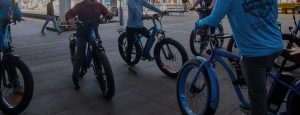

The future of electric bikes looks promising, driven by environmental concerns, technological advancements, and urbanization. These bikes offer a cleaner commuting alternative, effectively reducing pollution and carbon footprints. Enhanced battery life, efficient motors, and integrated smart features enhance their appeal, while their convenience in crowded urban settings eases traffic and parking challenges. These factors combine to boost their popularity, signaling a robust trend in future usage of an e-BIke.
Technological Advancements in Electric Bicycles
Electric bicycles have seen a dramatic rise in popularity, transitioning from niche transportation to a prominent player in the cycling industry. This growing market fosters constant innovation, pushing the boundaries of electric bicycle technology.
Battery Technology
Electric bicycles are witnessing significant improvements in battery technology. Advances in battery life, capacity, and charging speed are notable, with lithium-ion batteries leading the charge. These batteries are becoming lighter and more energy-efficient, propelling the ebike industry into an exciting future. Future trends include further enhancements in lithium-ion technology, making these battery types not only lighter but also more potent in energy conservation.
Motor Technology
Developments in motor technology for electric bicycles focus on creating lighter and more efficient motors. These advancements significantly enhance the performance and cost-effectiveness of electric bikes, offering smoother rides and longer durability. Lighter motors reduce the overall weight of the bike, which improves maneuverability and increases the appeal of electric bikes for everyday use.
Smart Integration
The rise of GPS-enabled and IoT-connected electric bikes marks a significant advancement in the integration of smart technology within the ebike industry. These features improve the user experience by simplifying travel routes, enhancing fitness tracking, and strengthening bike security measures. The integration of these smart technologies not only adds value but also pushes the boundaries of what electric bicycles can offer to modern commuters.
These technological advancements are setting the stage for a more connected and efficient future in the electric bicycle sector, promising enhanced user experiences and broader adoption.
Design and Materials for Future Electric Bikes
The design and materials used in future electric bikes are crucial for enhancing their performance, safety, and overall appeal. Innovations in these areas are not only elevating the level of performance but are also focusing on sustainability and user-friendliness, ensuring that these bikes meet the evolving demands of modern riders.
Frame Innovations
Use of Carbon Fiber: Future electric bikes increasingly utilize carbon fiber for their frames, enhancing the level of performance through reduced weight.
Integrated Solar Panels: There’s potential for frames to include solar panels, which contribute a bit for energy efficiency by allowing charging on the go.
Safety Features
Integrated Lights: Modern designs incorporate built-in lights to improve visibility and safety.
Automatic Braking Systems: These systems stop the bike automatically in critical situations to prevent accidents.
Self-Balancing Technologies: Advanced technologies help maintain balance, making rides safer and more accessible to beginners.
Aesthetic and Functional Design
Stylish and Compact: The evolution of bike designs focuses on sleek, compact frames that appeal to modern aesthetics.
Personalization: Manufacturers are emphasizing the ability to customize features, ensuring riders can find their perfect bike.
Ease of Use: Simplicity in design and functionality remains a priority, enhancing the overall bike performance and user experience.
These design elements are critical in shaping the practical and appealing aspects of future electric bikes, ensuring they meet the evolving needs and preferences of riders.
Market Dynamics of Future Electric Bikes
Electric bikes are everywhere these days, and it seems like the trend is only just getting started. But where will e-bikes go from here?
Consumer Demand
The demand for electric bikes is growing as consumers increasingly seek greener transportation options. The ease of use and lower total cost of ownership of electric bikes compared to cars have significantly boosted their popularity. These factors are particularly attractive in urban environments where efficiency and cost-effectiveness are prized.
Economic Factors
Electric bikes offer appealing cost benefits that are influencing market dynamics:
Initial Purchase: Typically, the upfront cost of an electric bike is much lower than that of a car.
Maintenance: Ongoing maintenance costs for electric bikes are also generally lower, adding to their economic appeal.
Governmental Incentives: Subsidies and tax incentives provided by governments are playing a crucial role in promoting the adoption of electric bikes, aiding both individuals and electric bike brands in the market.
Environmental Impact of Electric Bikes
Electric bikes contribute significantly to reducing the carbon footprint, making a substantial bit for energy efficiency and supporting a shift towards more sustainable urban mobility. Here are key areas where electric bikes are making a difference:
Reduction in Greenhouse Gases: By replacing car trips, electric bikes reduce emissions of CO2 and other pollutants.
Energy Efficiency: Electric bikes require less energy per kilometer than motor vehicles, which enhances their role in sustainable transport strategies.
The advancements in electric bike design and performance not only promise a more sustainable future but also reshape how cities and communities approach transportation. As we look towards electric bikes in 2030, we see a landscape where these vehicles play a pivotal role in both meeting environmental goals and providing efficient, accessible transportation solutions.
Market Barriers and Drivers of Future Electric Bikes
Several factors both drive and hinder the growth of the electric bike market:
Drivers:
- Increasing awareness of environmental issues.
- Advancements in technology that improve the performance and convenience of electric bikes.
- Urbanization, leading to more congested cities where electric bikes offer an efficient commuting option.
Barriers:
- High initial costs compared to traditional bicycles.
- Lack of infrastructure, such as bike lanes and parking, which affects the safety and convenience of using electric bikes.
- Varying regulations that can complicate the manufacturing and sale of electric bikes across different markets.
By 2030, these elements will likely shape the electric bike market by either fostering its expansion through supportive policies and technological innovations or by restricting it through economic challenges and regulatory complexities. As the market evolves, both challenges and opportunities will arise, requiring adaptive strategies from manufacturers and policymakers to fully realize the potential of electric bikes.
Conclusion
As we look ahead to the future of electric bikes in 2030, the trajectory is clear: these innovative vehicles are set to transform how we commute and interact with our urban environments. With advancements in technology, design, and market dynamics, electric bikes are poised to become more than just an alternative mode of transportation; they are becoming a fundamental part of a sustainable lifestyle. The challenges that remain, such as cost and infrastructure, are significant but not insurmountable.
As the industry continues to evolve and adapt, the opportunities for growth and improvement are vast. Ultimately, the continued expansion and acceptance of electric bikes will depend on ongoing innovation, supportive policies, and a shift in consumer attitudes towards more eco-friendly commuting options. The journey ahead is exciting, and the potential for positive change is enormous, promising a greener, more efficient, and accessible future for all.
Explore Colorado Like Never Before with eBike Tours
Experience the thrill of the outdoors with Colorado eBike Tours. Glide through breathtaking landscapes effortlessly on our state-of-the-art electric bikes. Connect with nature and create unforgettable memories on our guided tours. Book your adventure today and transform the way you see Colorado!
Frequently Asked Questions
What types of electric bikes are available for the tours?
We offer a variety of electric bikes that cater to different riding styles. Each bike is selected to enhance your touring experience, ensuring you have a comfortable ride no matter the terrain.
How does an electric bike tour fit into the future of bicycles?
Electric bike tours showcase the potential and excitement of e-bikes, highlighting their role in the evolving bike industry and promoting a greener approach to exploring new destinations.
What is the level of maintenance for the bikes used on the tours?
Our bikes undergo a simple level of maintenance to ensure they are in top condition for your tour. Regular checks and servicing keep them reliable and safe for all riders.
Do I need any experience to join an eBike tour?
No prior experience is necessary. Our electric bikes are user-friendly, and our guides will provide you with a quick orientation to ensure you feel confident and secure.
Can I choose a bike that suits my comfort and riding style?
Absolutely! We encourage you to select a bike that fits your comfort and riding preferences. Our team is here to help guide your choice to ensure your tour is enjoyable.
What should I bring for my eBike tour?
We recommend wearing comfortable clothing suitable for cycling and weather-appropriate gear. Don’t forget your camera to capture the stunning Colorado scenery!
Are there age or fitness level restrictions for participating in a tour?
Participants should be comfortable riding a bike, but you don’t need to be highly fit, thanks to the power assist feature of our e-bikes. We have a minimum age of 14 to get on the tour.
How do Colorado eBike Tours contribute to sustainable tourism?
By using electric bikes, our tours minimize environmental impact, aligning with sustainable practices that protect the natural beauty of Colorado. This approach is a step forward in promoting eco-friendly travel within the bike industry.